
Key takeaways
- A Science Mystery is a nonfiction science passage plus comprehension questions that unlock clues, which students use to eliminate suspects and solve a case.
- Students build science content knowledge and close-reading skills at the same time, which is exactly what science assessments ask for.
- Cases span Life, Earth, and Physical Science across Grades 3 to 10, and every one is print-and-go with answer keys.
- No lab, no equipment, no setup, which makes them unusually good for sub plans and non-specialist teachers.
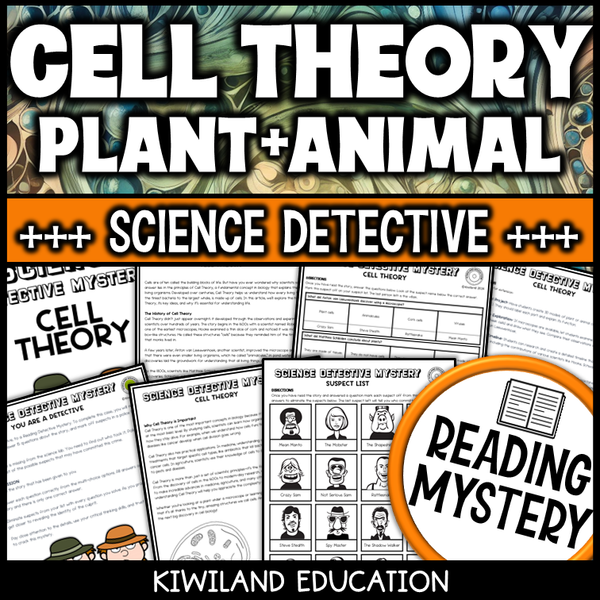
A Science Mystery is a detective-style science activity. Students read an informational passage about a real science topic, answer comprehension questions about it, and each set of correct answers unlocks a clue that rules suspects out. Work through the whole case and one suspect is left standing, which is the solution. It takes the science content you are already teaching, whether that is photosynthesis and cellular respiration or types of fossils, and wraps it in a case file so students actually read the passage instead of skimming for the answer.
The important part is that the science is not decoration. Students cannot cross a suspect off without understanding the text, so the reading has to happen properly. This guide explains how Science Mysteries work, what they teach, and the simplest ways to use them in Grades 3 to 10.
How does a Science Mystery work?
Every case follows the same four steps.
First, students read a nonfiction passage on the topic, written at grade level and structured like the informational text they meet on tests. Second, they answer a set of comprehension questions drawn directly from that passage. Third, each correct set reveals a clue that eliminates one or more suspects from the list. Fourth, they reach the solution, the single suspect no clue has ruled out.
Because the clues come out of the reading, guessing does not work. A student who skips the passage runs out of suspects to eliminate and has to go back to the text, which is the whole point. It is self-correcting in a way an ordinary comprehension worksheet is not.
If you want to see the structure before committing to a topic, the Animal Adaptations case is an easy first one, and the Shark Myths: Truth or Tale? case is a reliable hook for a class that needs winning over.
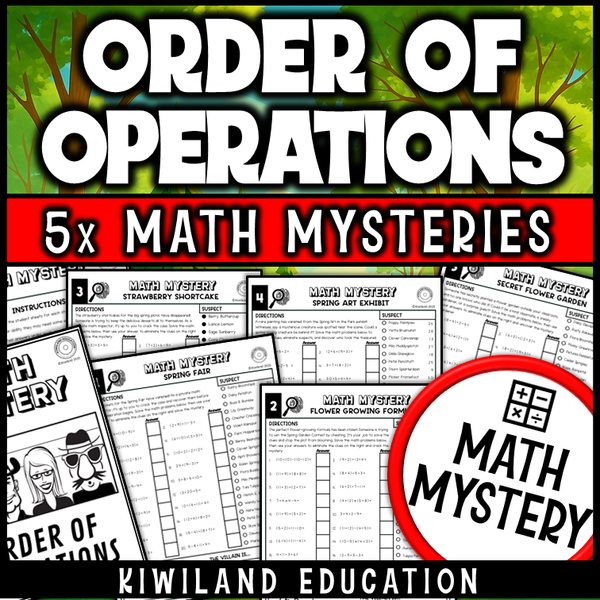
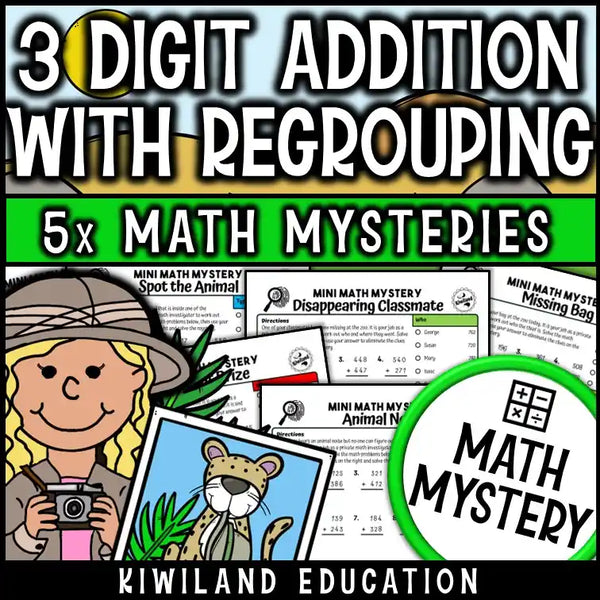
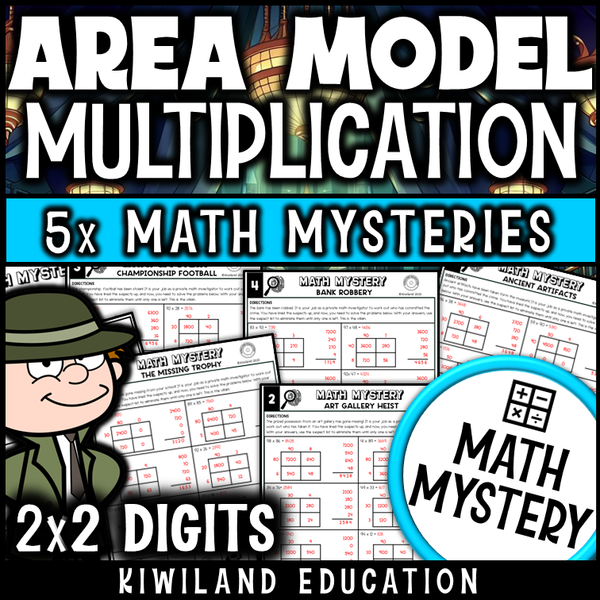
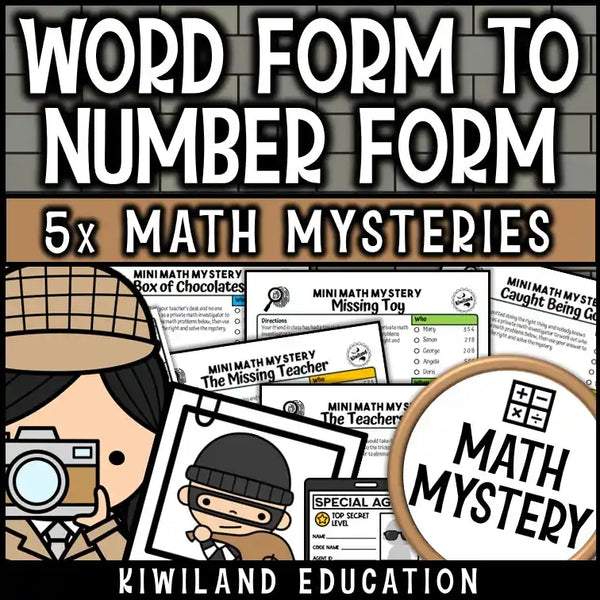
How is a Science Mystery different from a Math Mystery?
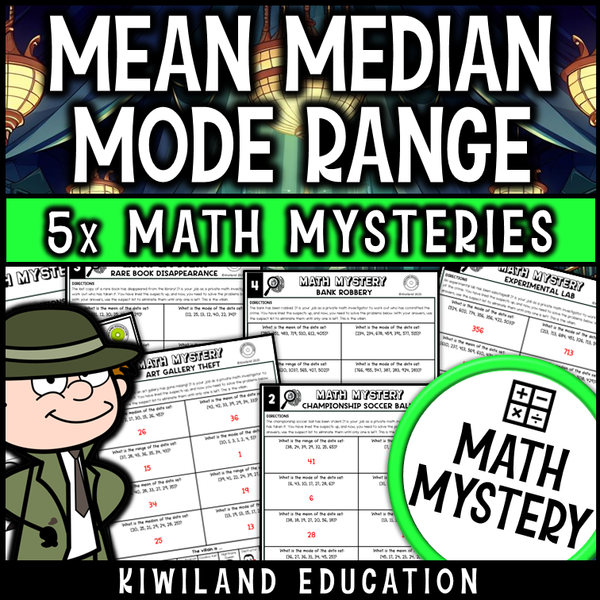
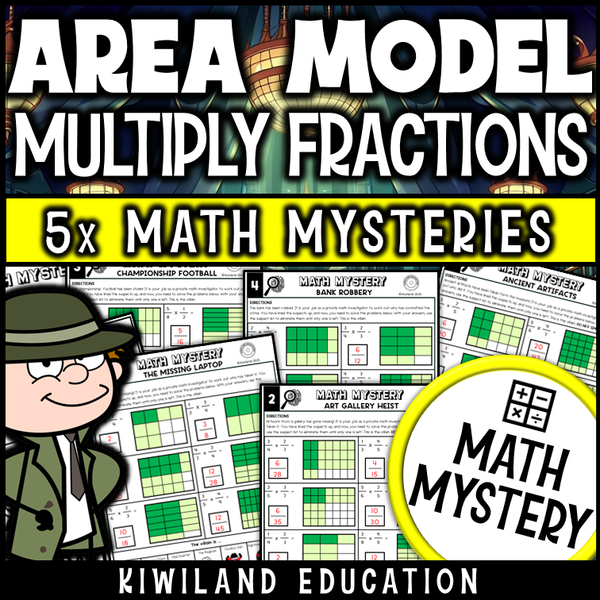
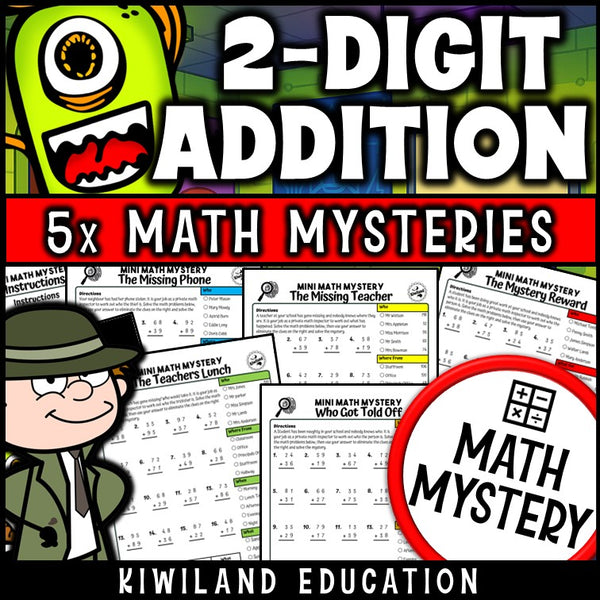
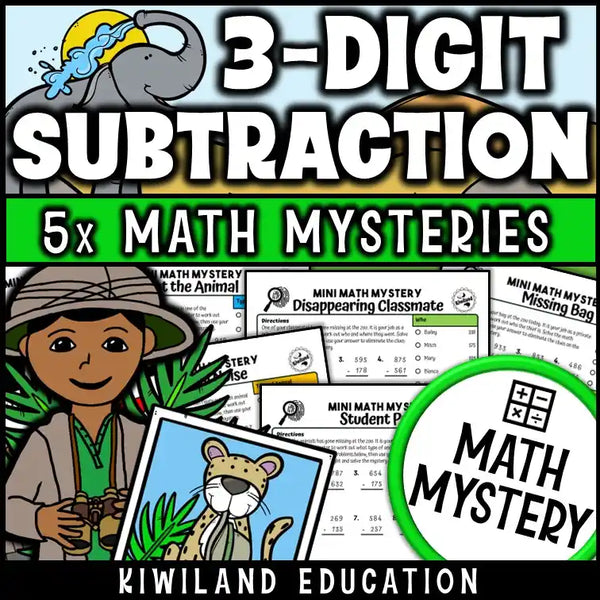
Kiwiland runs several mystery lines and they are not interchangeable. The difference is what unlocks the clue.
| Line | Students do this | Best for |
|---|---|---|
| Science Mystery | Read a nonfiction science passage, answer questions | Science content review, close reading of informational text |
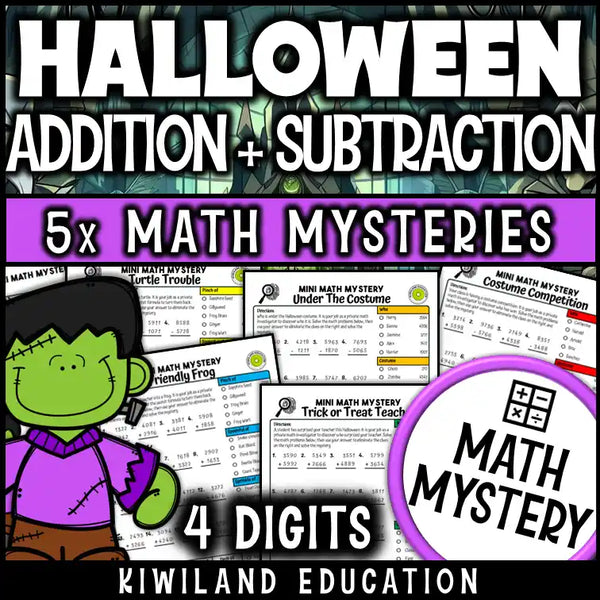
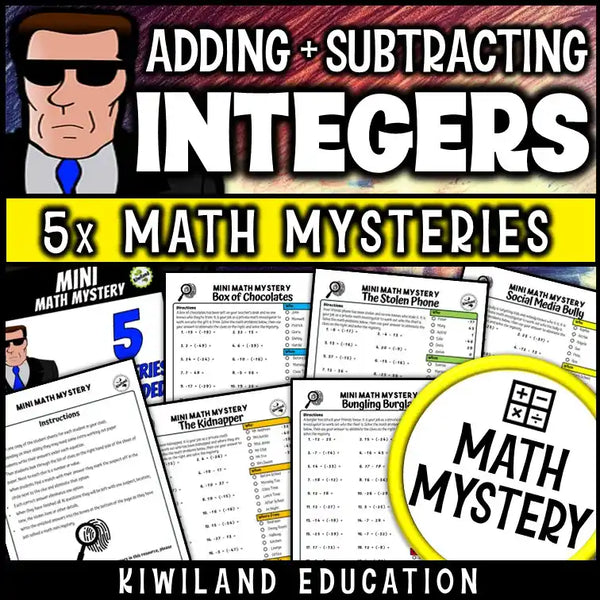
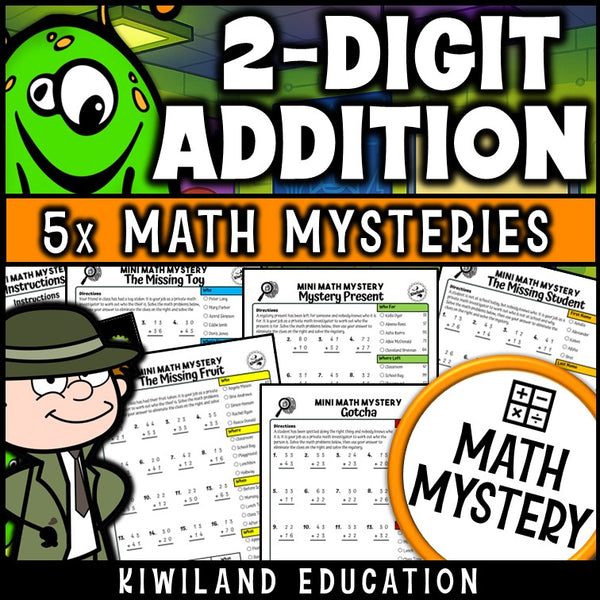
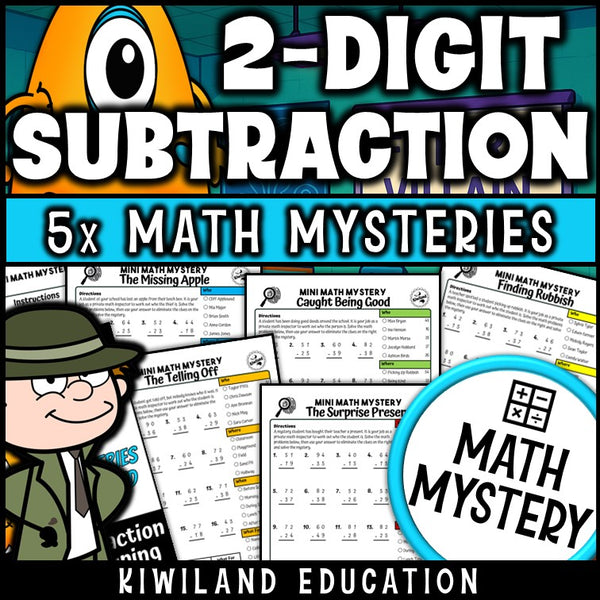
| Math Mystery | Solve math problems, match answers to suspects | Computation and skill practice |
| Reading Mystery | Read a fiction or nonfiction passage, answer questions | Comprehension skills across any subject |
A Science Mystery is the nonfiction branch of the Reading Mystery family, built specifically around science content. That means it earns its place in a science block, not just a literacy block, because students come out knowing more about cells or heat transfer than they did going in. If you are new to the format generally, the guides to Reading Mysteries and Math Mysteries cover the other two lines.
What topics do Science Mysteries cover?
Cases span the three main strands, so you can match a case to whatever unit you are in.
Life Science. Habitats and adaptations across Arctic, rainforest, desert, savanna, and ocean animals; cell theory and plant versus animal cells; photosynthesis and cellular respiration; mitosis and meiosis; DNA structure and function; the endocrine system; and invasive species.
Physical Science. Heat transfer and thermal energy, conductors and insulators, types and forms of energy, the law of conservation of energy, physical and chemical changes, and magnetism and electromagnets.
Earth and Environmental Science. Rocks and minerals, fossils, climate zones and weather, heat waves and extreme weather, renewable and nonrenewable resources, water conservation, and human impact on the environment.
What skills do students practice?
A single case works two sets of skills at once, which is the reason the format is efficient.
- Science content: the vocabulary, processes, and concepts of the unit, revisited in context rather than memorised from a list
- Close reading of informational text: main idea, key details, text evidence, and scientific vocabulary in context
- Evidence-based reasoning: using what the text actually says to rule an option out, which is the habit science assessments reward
- Elimination and logic: holding several constraints in mind at once and narrowing to a single answer
- Written justification: explaining why a suspect is ruled out, not just naming one
That last one matters more than it looks. Ruling something out with a reason is the same move as rejecting a hypothesis, and students practise it repeatedly in a single case without anyone calling it that.
No lab, no prep, ready to print
Run your first Science Mystery this week
Pick a case that matches your unit, print it, and let students read to catch the suspect. Answer keys and instructions are included, so there is nothing to set up.
Browse Science Mysteries →Why do Science Mysteries work in a science classroom?
Science reading has a reputation problem. Handed a passage about cell division, plenty of students decide in advance that it is dry and read it at arm's length. The case file changes the reason for reading: they are not reading to answer questions, they are reading to catch someone, and the questions are just how you do it. That is a small shift in framing that buys a lot of attention.
There is a practical argument too. Science content is often taught by teachers who are not science specialists, particularly in elementary school, and lab-based activities need equipment, setup, and a tolerance for mess. A Science Mystery needs a photocopier. It gives you a rigorous, content-rich science lesson on a day when a practical is not possible, which is most days.
Are Science Mysteries aligned to NGSS?
Yes. Cases are built around Next Generation Science Standards topics and tagged to the relevant performance expectations, so you can match a case to your scope and sequence. The heat transfer and conductors and insulators cases sit in the grade 4 energy strand (4-PS3), the photosynthesis and cellular respiration case sits in MS-LS1, and the DNA structure and function case reaches into HS-LS1 and HS-LS3 for high school biology.
They also serve double duty against literacy standards for reading informational text, which is useful if you are being asked to evidence cross-curricular reading. Check each product listing for the exact codes it covers.
How can I use Science Mysteries in the classroom?
- End-of-unit review before a test, in place of a revision worksheet
- Sub plans, since there is no lab, no equipment, and the instructions explain themselves
- Science centers and stations, one case per rotation
- Partner work, where the argument about which suspect to cross off is the learning
- Early finishers and enrichment for students who race through the main task
- Homework that a parent can supervise without knowing the science
- Cross-curricular reading, when the literacy block needs nonfiction and you would rather it counted twice
What grade levels are Science Mysteries for?
The core range is Grades 3 to 6, with a substantial middle school set at Grades 5 to 8 and several biology cases reaching Grades 7 to 10, including mitosis and meiosis and DNA structure and function. Each listing states its grade band. Passages can be read aloud or partner-read for students who need support, and the written-justification pages give you a ready extension for students who need more.
Where to start
Pick the case that matches the unit you are teaching next, not the one that looks most fun. The format sells itself once students have done one, so the first case is best spent on content you actually need reviewed. Browse the full Science Mysteries collection by topic and grade, print one, and hand it out. Most classes need no introduction beyond "read the passage and work out who did it."
If your students take to the format, the Science Escape Rooms are the digital equivalent for a day when you want them on devices.
Read next
- What Is a Reading Mystery? A Teacher's Guide for Grades 3–6
- What Is a Math Mystery? A Standards-Based Way to Reinforce Math Skills
- Transform Shark Week: Engaging ELA and Science Activities
Science Mysteries to try first