




Every math teacher knows the look: arms crossed, eyes down, the quiet "I'm just not a math person." Reluctant math students aren't usually lacking ability. They're protecting themselves from a subject that has made them feel slow, exposed, or wrong one too many times. Re-engaging them is less about new content and more about changing the emotional experience of doing math.
Here are seven strategies that consistently move reluctant students from avoidance to participation, along with the kinds of activities that make each one stick.
1. Lower the stakes before you raise the rigor
Reluctant students disengage to avoid public failure. So make the early wins ungraded and low-pressure. Warm-ups, "notice and wonder" prompts, and partner tasks let them participate without risk. Once a student believes the room is safe, you can ask for harder thinking. Rigor without safety just deepens the wall.
2. Give the math a reason to exist
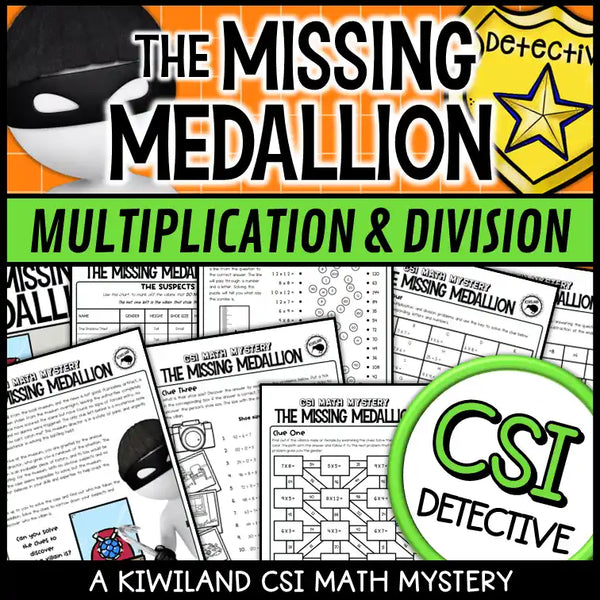
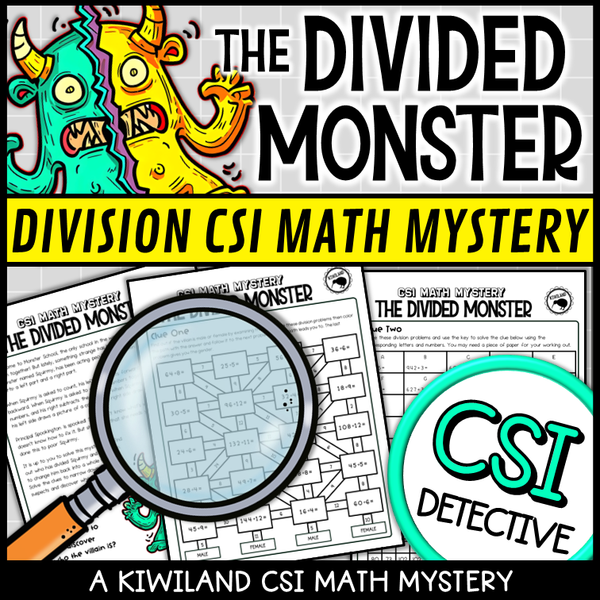
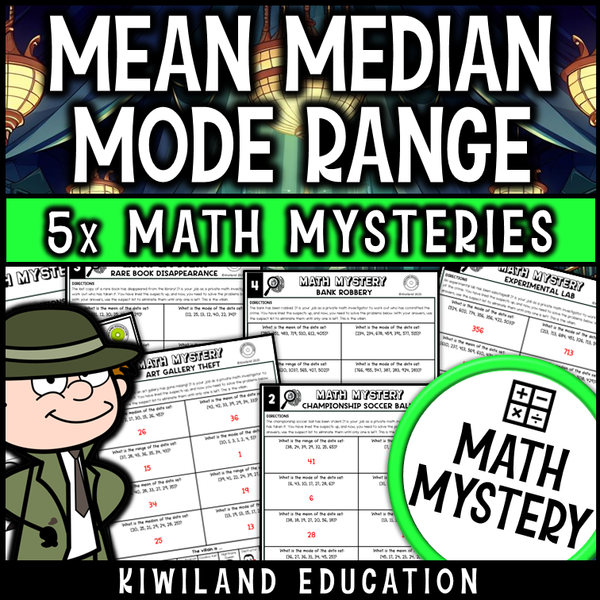
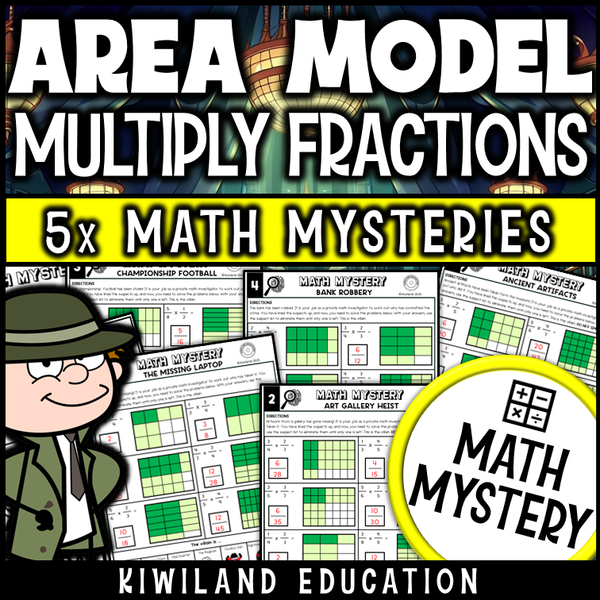
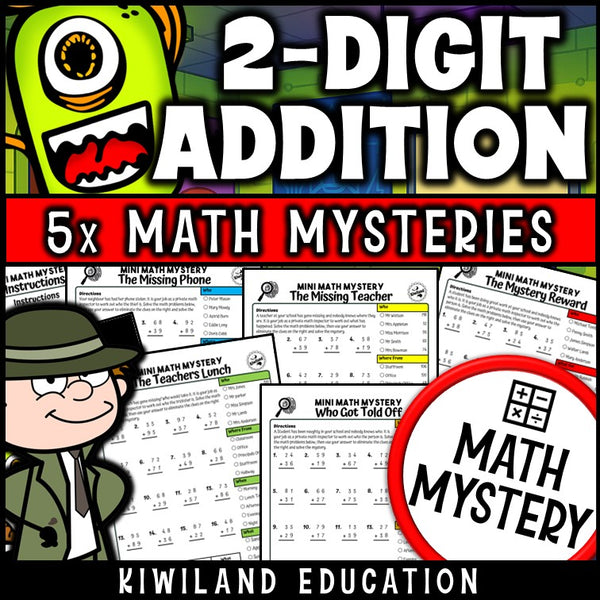
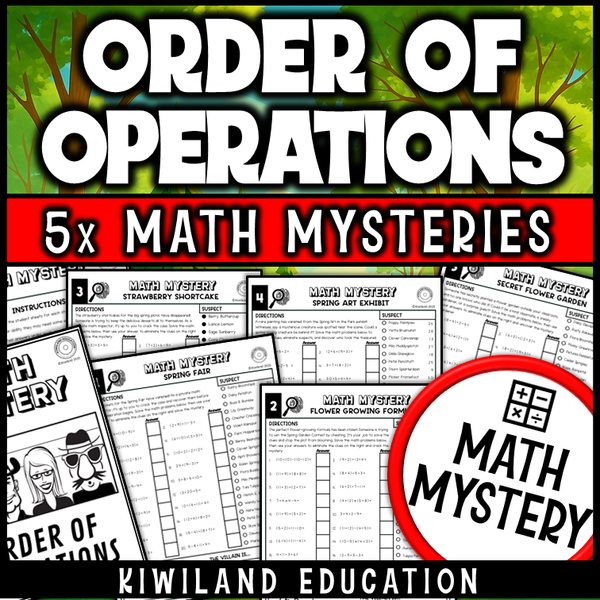
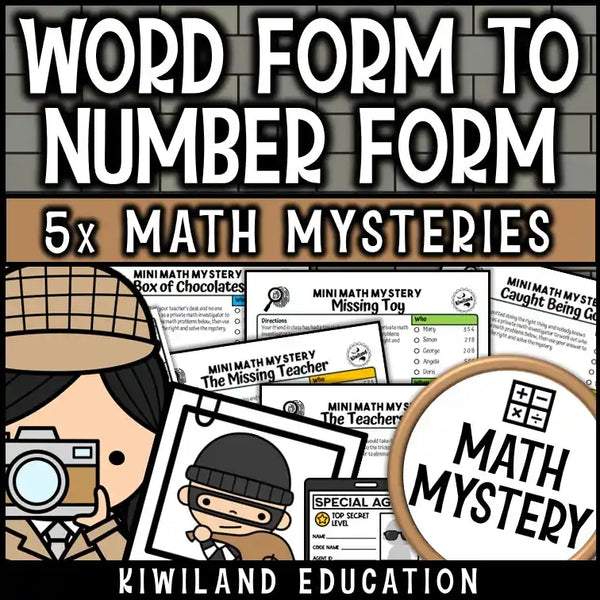
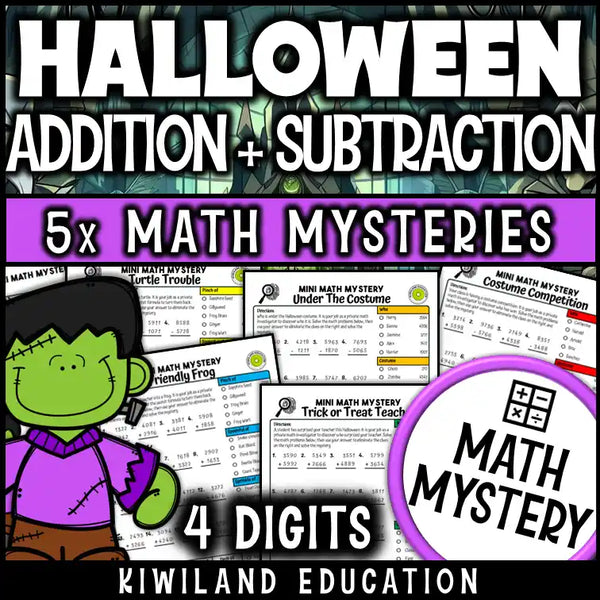
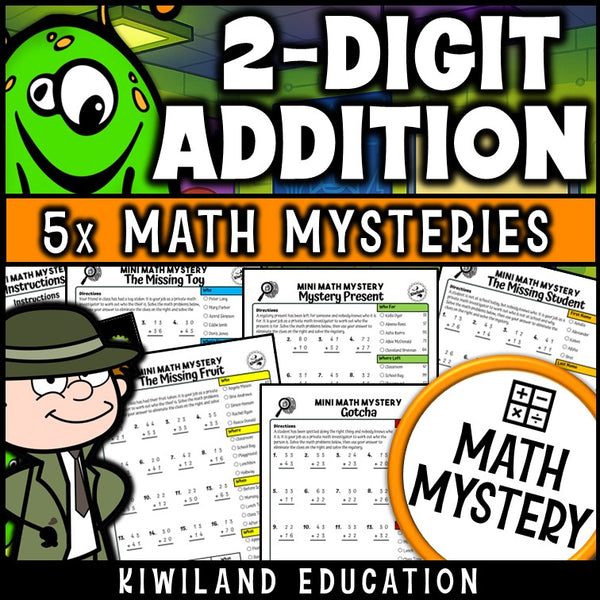
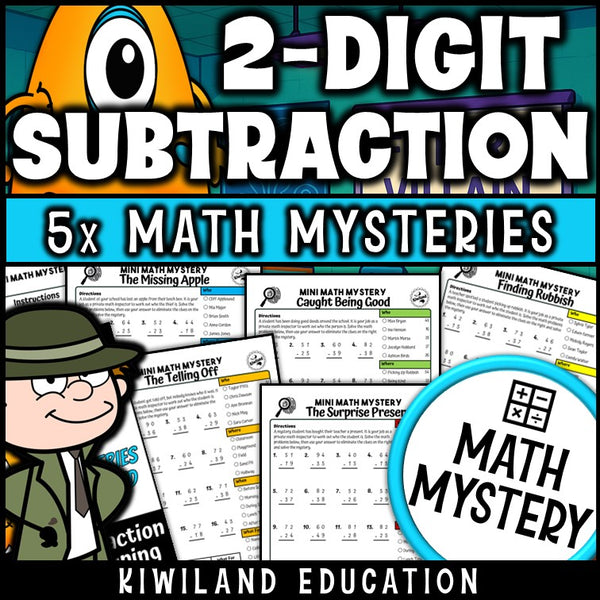
"When will I ever use this?" is rarely a real question about careers. It usually means "I don't see the point of trying." Wrapping practice inside a purpose, a puzzle, a story, a problem to solve, answers that objection before it's asked. This is exactly why a math mystery works so well: students aren't doing 20 subtraction problems, they're eliminating suspects to crack a case. The skill is identical; the reason to do it is suddenly obvious.
3. Make being wrong useful, not shameful
Reluctant learners equate mistakes with judgment. Flip that with routines like "My Favorite No," where you celebrate an instructive wrong answer and analyze it as a class. When errors become data instead of verdicts, students who never raised a hand start taking risks. Normalize the phrase "mistakes are how we find the tricky bits."
No prep, ready to print
Give reluctant students a reason to try
Pick a case, print it, and let the story pull students through the math. Answer keys and setup instructions are included, so there is nothing to prep.
Browse Math Mysteries →4. Use story and mystery to carry the cognitive load
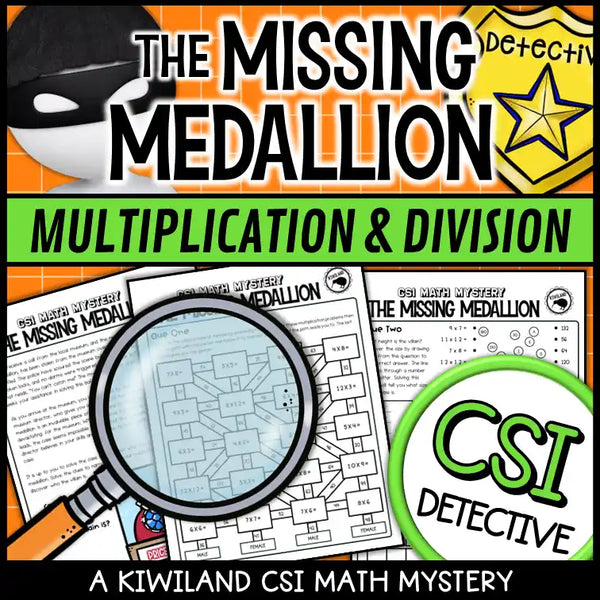
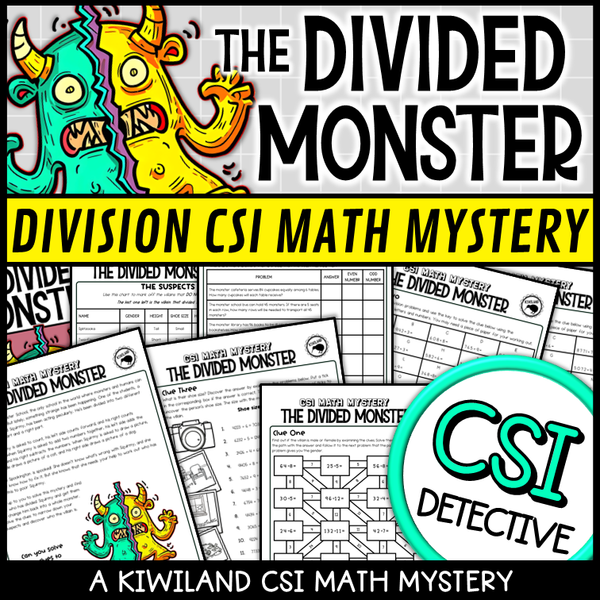
Narrative is a powerful engagement tool because it gives students a reason to hold information in mind. A CSI math mystery like The Missing Medallion or a themed investigation turns a worksheet into a sequence of clues, so students push through problems they'd normally abandon. For older students, an algebra case like Solving Multi-Step Equations does the same for content they would otherwise resist. The story does the motivational heavy lifting, freeing the student to focus on the math itself.
5. Build in collaboration and a little urgency
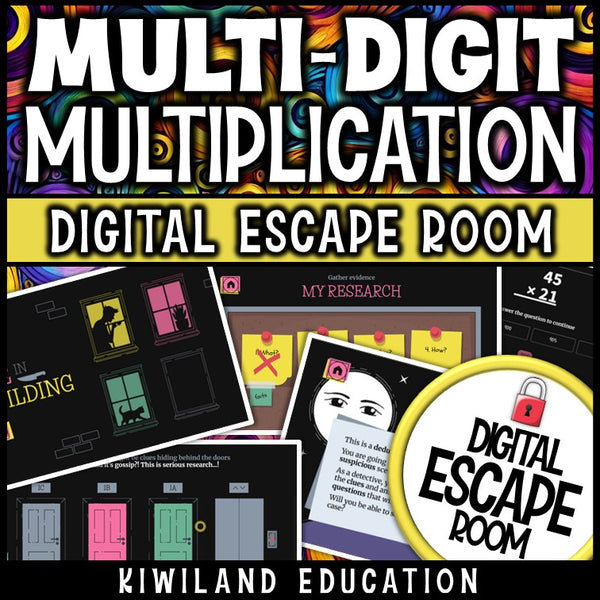
Many reluctant students engage far more in a team than alone, where the spotlight feels personal. A digital escape room like the Order of Operations escape room combines collaboration with a gentle ticking clock, which channels nervous energy into momentum. Working toward a shared goal also lets struggling students contribute ideas without being singled out.
6. Offer choice to restore a sense of control
Disengagement is often a bid for control in a subject where students feel they have none. Give it back in small ways: let them choose which three of five problems to tackle, which mystery theme to solve, or whether to work solo or in a pair. Choice signals trust, and trust lowers resistance. A flexible bundle of activities makes it easy to offer genuine options without extra planning.
7. Catch them being capable
Reluctant students have a fixed story about themselves: "I'm bad at math." One generic "good job" won't dent it. Specific, evidence-based feedback will: "You spotted that pattern before anyone else." Name the exact competent thing they did. Over time these moments accumulate into a new self-image, which is the real goal. Engagement follows belief.
Where to start tomorrow
If you want one change with an outsized payoff, swap your next worksheet for a story-driven task. Our Math Mysteries and CSI Math Mysteries are built for exactly this: ready-to-print, curriculum-aligned practice that gives reluctant students a reason to engage, with no extra prep on your end. Pair them with the low-stakes, choice-rich routines above and you'll see the crossed arms start to uncross.
Re-engaging reluctant math students is slow, human work. But the formula is consistent: make it safe, make it matter, and make it winnable. Do that, and "I'm not a math person" gradually becomes "wait, let me try that one."
Read next: 10 Back-to-School Math Activities That Actually Hook Students
New to math mysteries? What Is a Math Mystery? A Teacher's Guide
🧩 Resources that hook reluctant students: the Long Division CSI Math Mystery and the Mean, Median, Mode & Range Digital Escape Room.
Also try: Digital Escape Rooms for Teachers.
🎯 More engaging math activities: